Data & Analytics
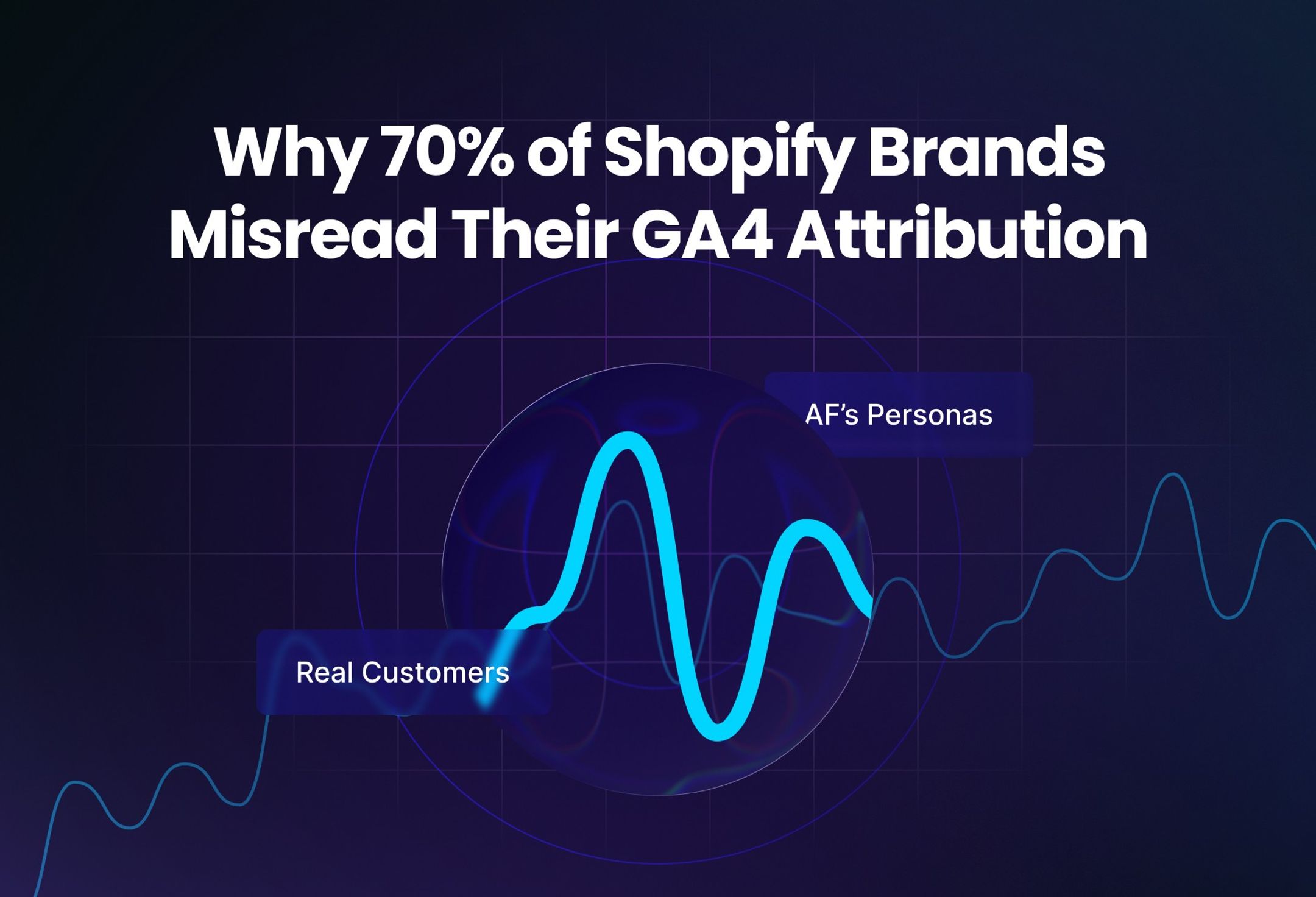
Why 70% of Shopify Brands Misread Their GA4 Attribution
If your Shopify, GA4, and ad platform reports don’t match, your attribution isn’t “wrong” — it’s incomplete.
- Published
- Author
- AccessFuel Team
- Reading time
- 3 min read
And incomplete data leads to wasted spend, bad targeting, and missed growth opportunities.
The Problem: You’re Not Seeing the Whole Picture
Shopify brands are relying on GA4 to make campaign, creative, and budget decisions — but most aren’t aware of the invisible leaks in their attribution model.
In fact, internal AccessFuel analysis shows 7 out of 10 Shopify-first brands are pulling the wrong conclusions from their GA4 dashboards.
The result?
- Overinvesting in campaigns that look profitable but aren’t.
- Pausing ads that are actually working.
- Misallocating budget between acquisition and retention.
Why This Happens: Disconnected Systems
GA4 was designed to track user behavior across websites and apps — not to serve as a single source of truth for your marketing performance.
For Shopify brands, there are three major breakpoints:
- Tracking Gaps
- Missing or inconsistent UTM tagging
- Cross-domain tracking limits (checkout.shopify.com vs your main domain)
- Session resets when users switch devices or browsers
- Reporting Misalignment
- Shopify reports on gross sales; GA4 defaults to modeled conversions with sampling.
- Different attribution windows (GA4’s default 90 days vs. Meta’s default 7 days).
- Refunds and chargebacks accounted for in Shopify but not in GA4.
- Fragmented Identity
- Guest checkouts that don’t link back to ad clicks.
- Multiple sessions per customer that GA4 sees as multiple people.
- Email conversions tracked in Klaviyo but invisible in GA4.
The Impact: Wasted Spend & Targeting Errors
When GA4 over-credits one channel or under-credits another, decision-making suffers:
- You cut budget on a channel that’s actually profitable.
- You scale ads based on inflated ROAS.
- You miss the true top-of-funnel sources driving your best customers.
It’s like trying to steer your business with a speedometer that’s 30% off.
The AccessFuel Fix: Bridging the Data Gap
AccessFuel acts as the interpreter between Shopify, GA4, ad platforms, and your lifecycle tools.
Our Bridge-the-Gap Framework:
- Clean Pipe Logic – We fix tracking at the source, ensuring that every click, cart, and conversion flows into your analytics cleanly.
- Identity Sync – We stitch together click-paths, even when customers buy as guests or across multiple devices.
- Unified Attribution View – We reconcile Shopify, GA4, Meta, Klaviyo, and more into one truth source.
Real-World Example
A Shopify apparel brand was seeing 4.2 ROAS in Meta Ads according to GA4. After AccessFuel cleaned their data pipe and synced identity, we found the true ROAS was 2.8 — and their top-performing campaigns weren’t the ones they were scaling.
The fix saved them $47k in wasted ad spend in a single quarter.
The Takeaway
If your tech stack isn’t speaking the same language, your attribution model is broken — even if GA4 tells you otherwise.
AccessFuel is the translator. We unify the conversation so you can make the right moves, with the right data, every time.
CTA:
👉 Ready to see what your true attribution looks like? Book your AF Data Bridge demo
Related posts
Keep Exploring
Discover more insights, strategies, and updates from AccessFuel.
4 min read
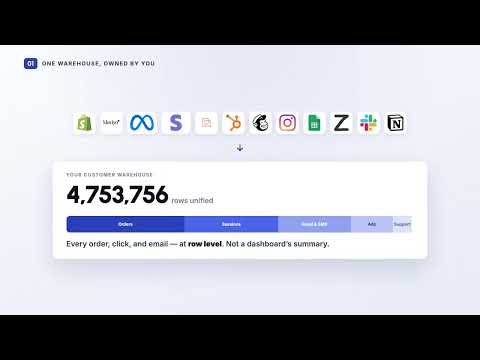
Data & AnalyticsIs Ecommerce Analytics Consulting Worth It, or Are You Buying a Deck That Goes Stale?
Consulting is worth it when the work is genuinely one-time, and stops being worth it the moment you need the same answer next month. An honest three-way comparison.
4 min read
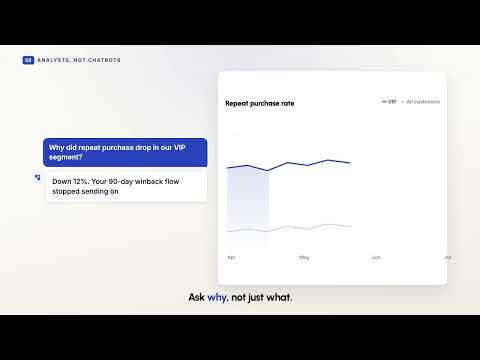
Customer IntelligenceWhy Does One Buyer Look Like Five People?
One customer, five systems, five different versions of her. Customer data integration is what turns those blind systems into one that can see, and getting it wrong breaks everything downstream.

4 min read
Customer IntelligenceCustomer Intelligence: Why Can't 30 Tools Answer One Simple Question?
Most ecommerce brands run 30 or more tools and still cannot say why repeat purchases dropped last month. Customer intelligence is the layer that closes the gap between them.