Data & Analytics
The Klaviyo → Meta Data Gap: How to Fix Your Attribution in 5 Minutes
Stop leaking conversions between platforms. Connect your data, fix your attribution, and reclaim your ROAS.
- Published
- Author
- AccessFuel Team
- Reading time
- 3 min read
The Attribution Problem No One Wants to Admit
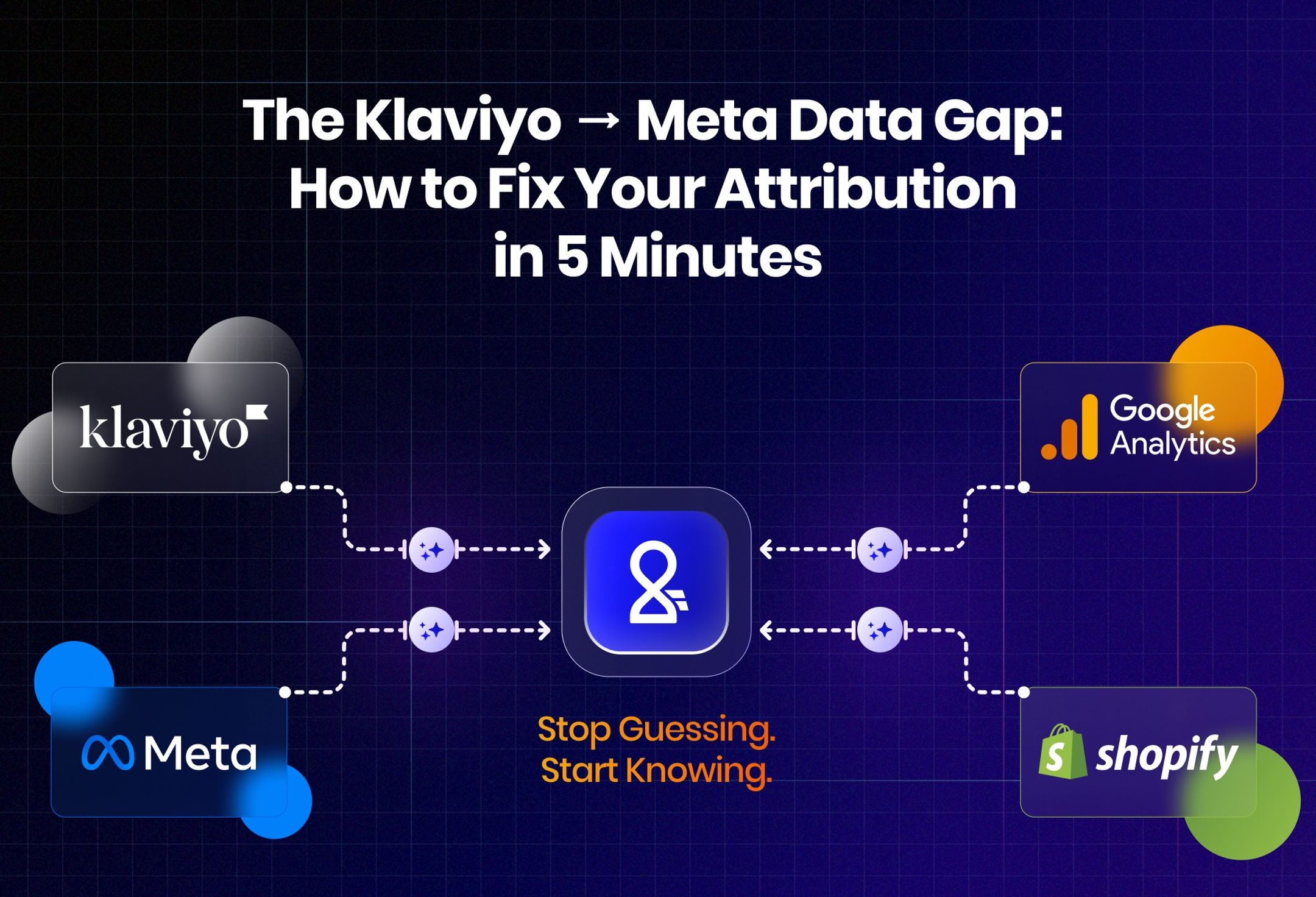
If you’re running an eCommerce brand on Shopify, chances are your marketing stack looks something like this:
- Klaviyo for email and SMS
- Meta Ads Manager for paid social
- GA4 for analytics
- Shopify as your commerce hub
Each of these tools is powerful on its own. But together? They create one of the most expensive blind spots in your business.
Here’s the issue: none of them agree on where your conversions come from. Klaviyo says it was email. Meta says it was ads. GA4 shows something else entirely. And Shopify just records the order without explaining why it happened.
The result? You’re flying blind.
The Hidden Cost of Misattribution
Every lost conversion between Klaviyo and Meta comes at a cost:
- Inflated CAC — Ads look less efficient than they are.
- Under-optimized spend — You scale the wrong campaigns.
- Missed insights — You don’t actually know what’s driving revenue.
When your data pipes don’t connect, your ROAS leaks out.
Why This Gap Exists
The gap isn’t your fault. It’s structural:
- Meta can’t see the full customer journey that starts in Klaviyo.
- Klaviyo doesn’t get credit for conversions influenced by ads.
- GA4 tries to referee, but without stitching, it’s just another silo.
This disconnect hides the truth: most conversions are influenced by multiple channels, but your stack forces you to pick a single “winner.”
AccessFuel: The Attribution Layer for Modern eCommerce
AccessFuel solves this in minutes by becoming the connective tissue of your stack.
Here’s how it works:
- Diagnose the gap: AF detects where attribution is breaking between Klaviyo, Meta, GA4, and Shopify.
- Connect the pipes: AF stitches data into a Golden Record—a single source of truth for each campaign and conversion.
- Optimize with clarity: Your reporting is clean, your spend is aligned, and your growth engine runs on truth instead of guesses.
We call this the Clean Pipe Framework: attribution only flows when your data pipes are properly aligned.
What Changes in 5 Minutes
The moment your stack is connected with AF:
- Every Klaviyo open, Meta click, GA4 session, and Shopify order are reconciled.
- You see true ROAS — not inflated, not undercounted.
- Decisions move from “gut feel” to “data certainty.”
In other words: you stop guessing. You start knowing.
The Growth Unlock
When attribution is fixed, brands don’t just see cleaner dashboards — they see compounding revenue lift:
- Ads scale with confidence.
- Email proves its value.
- Acquisition costs stabilize.
- Campaigns stop competing and start working together.
Attribution clarity isn’t a “nice-to-have.” It’s the unlock that separates brands stuck in expensive guesswork from those scaling efficiently.
Ready to Fix Your Gap?
If your Klaviyo → Meta → GA4 → Shopify data is still running in silos, you’re leaking growth every single day.
AccessFuel closes the gap automatically — and it takes less than 5 minutes to get clarity.
👉 Stop leaking ROAS. Start scaling with truth.
Related posts
Keep Exploring
Discover more insights, strategies, and updates from AccessFuel.
4 min read
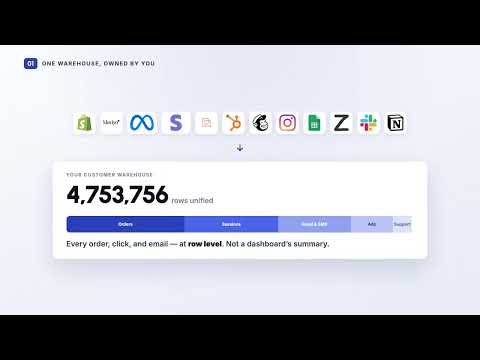
Data & AnalyticsIs Ecommerce Analytics Consulting Worth It, or Are You Buying a Deck That Goes Stale?
Consulting is worth it when the work is genuinely one-time, and stops being worth it the moment you need the same answer next month. An honest three-way comparison.
4 min read
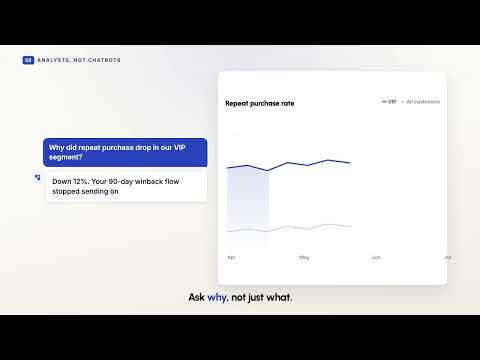
Customer IntelligenceWhy Does One Buyer Look Like Five People?
One customer, five systems, five different versions of her. Customer data integration is what turns those blind systems into one that can see, and getting it wrong breaks everything downstream.

4 min read
Customer IntelligenceCustomer Intelligence: Why Can't 30 Tools Answer One Simple Question?
Most ecommerce brands run 30 or more tools and still cannot say why repeat purchases dropped last month. Customer intelligence is the layer that closes the gap between them.