Growth & Performance
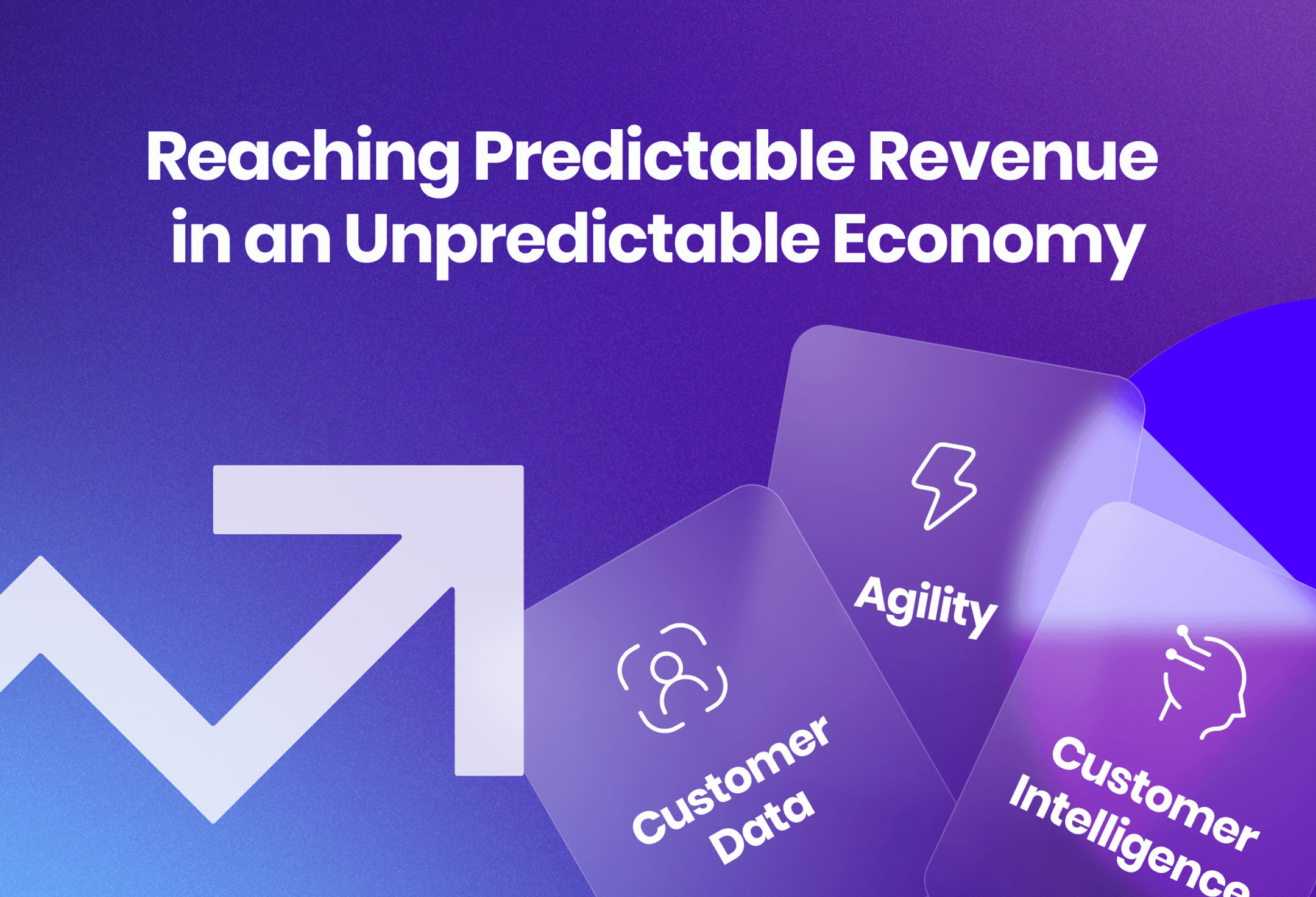
Reaching Predictable Revenue in an Unpredictable Economy
Discover how brands are building revenue consistency—even as markets shift—by doubling down on data, agility, and customer intelligence.
- Published
- Author
- AccessFuel Team
- Reading time
- 3 min read
1. Economic Chaos Is the New Constant — But Your Revenue Doesn’t Have to Be
We’re past the point of calling it a “tough quarter.”
Consumer behavior is fragmented. Acquisition costs are spiking. Market conditions flip with each earnings report, policy shift, or social trend.
But even in this turbulence, some brands are quietly pulling ahead—posting consistent, predictable revenue while others are still scrambling.
What separates them?
It’s not just resilience.
It’s data fluency. Execution speed. And customer clarity.
It’s a new kind of operating system built for unpredictability.
2. The Dangerous Myth of Predictability
Most brands still cling to the idea that predictability is about stability.
It’s not.
It’s about responsiveness—building systems that adjust faster than the market can throw curveballs.
The problem?
Traditional forecasting relies on historical data, batch reporting, and static dashboards. That model breaks down the moment the environment changes.
You don’t need certainty.
You need signal—and the ability to act on it.
3. The 3 Pillars of Predictable Revenue (in an Unpredictable World)
a. Real-Time Data Visibility
To respond quickly, you need to see clearly.
The most consistent brands today:
- Consolidate data across Shopify, Klaviyo, Meta, Google Ads, and more
- Monitor in real time by product, channel, cohort, and conversion behavior
- Remove noise and focus only on what drives action
👉 Predictable revenue starts with a unified, real-time view of what’s happening now—not what happened last month.
b. Customer-Centric Segmentation
Not all customers contribute equally to revenue. And in a shaky economy, guessing is expensive.
High-performing teams are using intelligent personas and dynamic cohorts to:
- Anchor campaigns around proven buyers
- Personalize offers based on behavior (not gut feel)
- Allocate budget to the segments most likely to convert again
📊 The goal: Spend less chasing volume. Spend more where your outcome certainty is highest.
c. Agile Campaign Feedback Loops
Big campaign cycles are brittle. In a shifting economy, you need adaptive loops, not fixed plans.
Winning brands:
- Run daily micro-tests (creative, channel, offer)
- Use week-over-week learnings to fine-tune messaging
- Build momentum through controlled iteration
📈 Predictable revenue doesn’t come from static strategy. It comes from a living system that sharpens itself.
4. Forecasting with Confidence (Not Fantasy)
Instead of guessing future revenue, modern brands are modeling it—using leading indicators like:
- Email clicks and open rates → Purchase likelihood
- CAC trends → Spend pacing
- Cohort retention curves → Revenue durability
Forecasting becomes proactive, not reactive. It doesn’t assume the future will mirror the past—it tracks how today’s signals point to tomorrow’s outcomes.
5. Control Is the New Certainty
You can’t control the economy. But you can control:
- The clarity of your data
- The quality of your segmentation
- The speed of your execution
This is where AccessFuel powers the difference.
We help brands:
- Consolidate and clean data across sources
- Surface true customer intelligence (not vanity metrics)
- Launch campaigns with built-in feedback loops
- Track impact in real-time and adapt instantly
Predictable revenue isn’t a myth. It’s a system. We help you build it.
🎯 Ready to Stabilize and Scale?
Book a free Data Health Review and find out what’s driving (or blocking) your revenue engine.
Let’s make your growth resilient—even when everything else isn’t.
Related posts
Keep Exploring
Discover more insights, strategies, and updates from AccessFuel.
4 min read
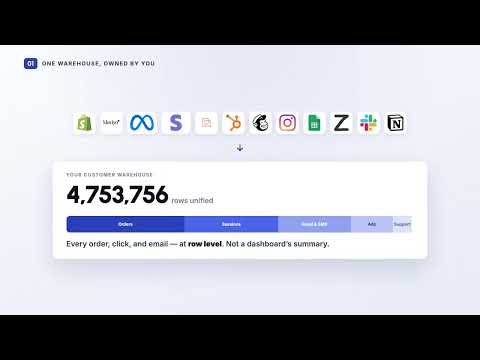
Data & AnalyticsIs Ecommerce Analytics Consulting Worth It, or Are You Buying a Deck That Goes Stale?
Consulting is worth it when the work is genuinely one-time, and stops being worth it the moment you need the same answer next month. An honest three-way comparison.
4 min read
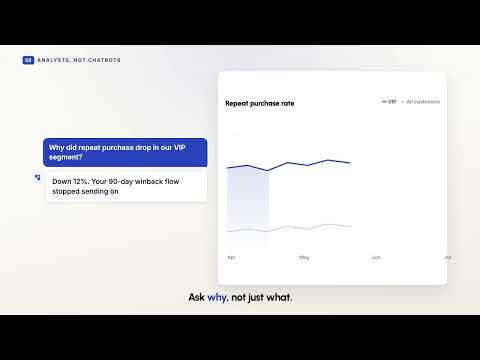
Customer IntelligenceWhy Does One Buyer Look Like Five People?
One customer, five systems, five different versions of her. Customer data integration is what turns those blind systems into one that can see, and getting it wrong breaks everything downstream.

4 min read
Customer IntelligenceCustomer Intelligence: Why Can't 30 Tools Answer One Simple Question?
Most ecommerce brands run 30 or more tools and still cannot say why repeat purchases dropped last month. Customer intelligence is the layer that closes the gap between them.