Customer Intelligence
Customer Segmentation: Which of Your Loyalists Are About to Leave?
About one in five of your loyal customers are quietly slowing down. Shopify can confirm they exist. It will not tell you which ones are worth saving. RFM segmentation does.
- Published
- Author
- AccessFuel Team
- Reading time
- 5 min read
About one in five of them. They are your At-Risk group: people who bought before, more than once, and have quietly slowed down.
In a store with 11,790 customers that is roughly 2,510 people still worth saving. Another 4,180 have already gone.
Shopify will confirm all of them exist. It will not tell you which is which, which are worth chasing, or what to say when you reach them. That gap is the whole job of customer segmentation, and it is why a customer list is not the same thing as knowing your customers.
What Shopify gives you, and where it stops
Shopify's built-in customer segments are filters. You write a condition, you get a list back. That works when you already know what you are looking for.
The trouble is that the useful groups are the ones you have not thought to ask for. Nobody filters for "bought twice in the spring, opened the last nine emails, has not clicked since the price change." You would have to suspect that group existed first.
A filter answers a question you already had. Segmentation finds the question.
RFM: three numbers that sort every customer you have
RFM scores each customer on three things: how recently they bought, how often they buy, and how much they spend. Each gets a score, usually 1 to 5, and the combination puts every person in your list into a group.
It works because order count on its own lies to you. A customer with three orders last month and a customer with three orders in 2023 look identical in a spreadsheet. One is your best buyer. The other is already gone. Recency is what separates them.
Customer segmentation analysis built this way has one property that matters more than the method: every customer lands somewhere. Nobody falls through.
The four groups worth naming first
Using the same 11,790-customer example, an RFM pass typically produces something close to this:
| Segment | Customers | Share | What it means | What to do |
|---|---|---|---|---|
| Champions | 1,240 | 11% | Recent, frequent, high spend | Early access, referral asks, nothing discounted |
| Loyal | 3,860 | 33% | Steady, reliable, not top spend | Raise order value, not frequency |
| At-Risk | 2,510 | 21% | Bought before, slowing down | Reach now, while the habit is warm |
| Lapsed | 4,180 | 35% | No order in 12 months or more | Win-back, or accept the loss |
The numbers above come from a demo store. Your split will differ. What rarely differs is the shape: the lapsed group is almost always the biggest one, and almost always the one nobody is working.
The math that decides what you do first
In that example, the 4,180 lapsed customers represent about $214,000 in lifetime value already earned and now sitting idle. A restock email to the right slice of them projected roughly $38,000 in recovered revenue for the quarter.
That ratio is the argument. These people already bought from you once. You already paid to acquire them. Reaching them again costs a fraction of finding someone new, and the message writes itself because you know what they bought.
Prospecting is the expensive way to fix a revenue gap. Segmentation is usually the cheap one.
Segments tell you who. Personas tell you why.
An RFM segment is behavioral. It tells you 4,180 people stopped buying. It does not tell you what they have in common, what they cared about, or which message will land.
That is a different layer. Attitudinal segmentation and psychographic segmentation group people by motivation rather than by transaction. A persona is what you get when you combine the two: a real cluster of buyers with a real reason for behaving the way they do, computed from what they actually did rather than invented in a workshop.
Run the behavior first. The motivation layer is only trustworthy once the behavior underneath it is complete.
How to segment Shopify customers without writing a query
The blocker for most brands is not the concept. It is that the data lives in 30 or more places. Shopify, Klaviyo, Meta, GA4, Stripe, Gorgias and the rest. RFM needs all of it joined at the row level before the scores mean anything.
AccessFuel connects those sources into one warehouse that belongs to you, scores every customer, and lets you ask for the group you want in plain language. No SQL, no filter builder, no export.
Ask which customers are about to lapse. You get the list, the reasoning, and a persona you can send to Klaviyo or Meta in one move.
When RFM is the wrong tool
Two cases where this does not apply.
If you have fewer than about 500 customers, or less than a year of order history, the scores are noise. There is not enough behavior to separate a lapsed buyer from a slow one. Wait.
And if you sell something people buy once a decade, like mattresses or engagement rings, frequency and recency stop meaning what they mean elsewhere. Segment on order value and referral behavior instead.
Where to start
Pick an at-risk group, not an already lapsed one. It is smaller, the habit is still warm, and it gives you a readable result in weeks instead of quarters.
Watch AIRA build your persona in under two minutes, review and approve the deployment strategy, then launch across channels all from your AccessFuel console.
Related posts
Keep Exploring
Discover more insights, strategies, and updates from AccessFuel.
3 min read
Product UpdatesEverything AIRA creates Is Shareable. Here's What That Looks Like.
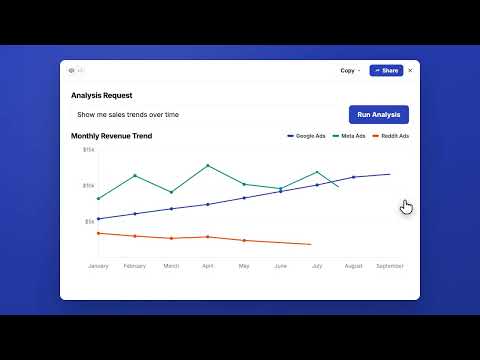
Good work has a distribution problem. The analysis lives in your tab. The persona lives in a deck. The report lives in a PDF named "final_v4." By the time it reaches your team, it's a screenshot of a screenshot — flat,…
4 min read
Marketing StrategyYour Content Calendar Now Runs Itself
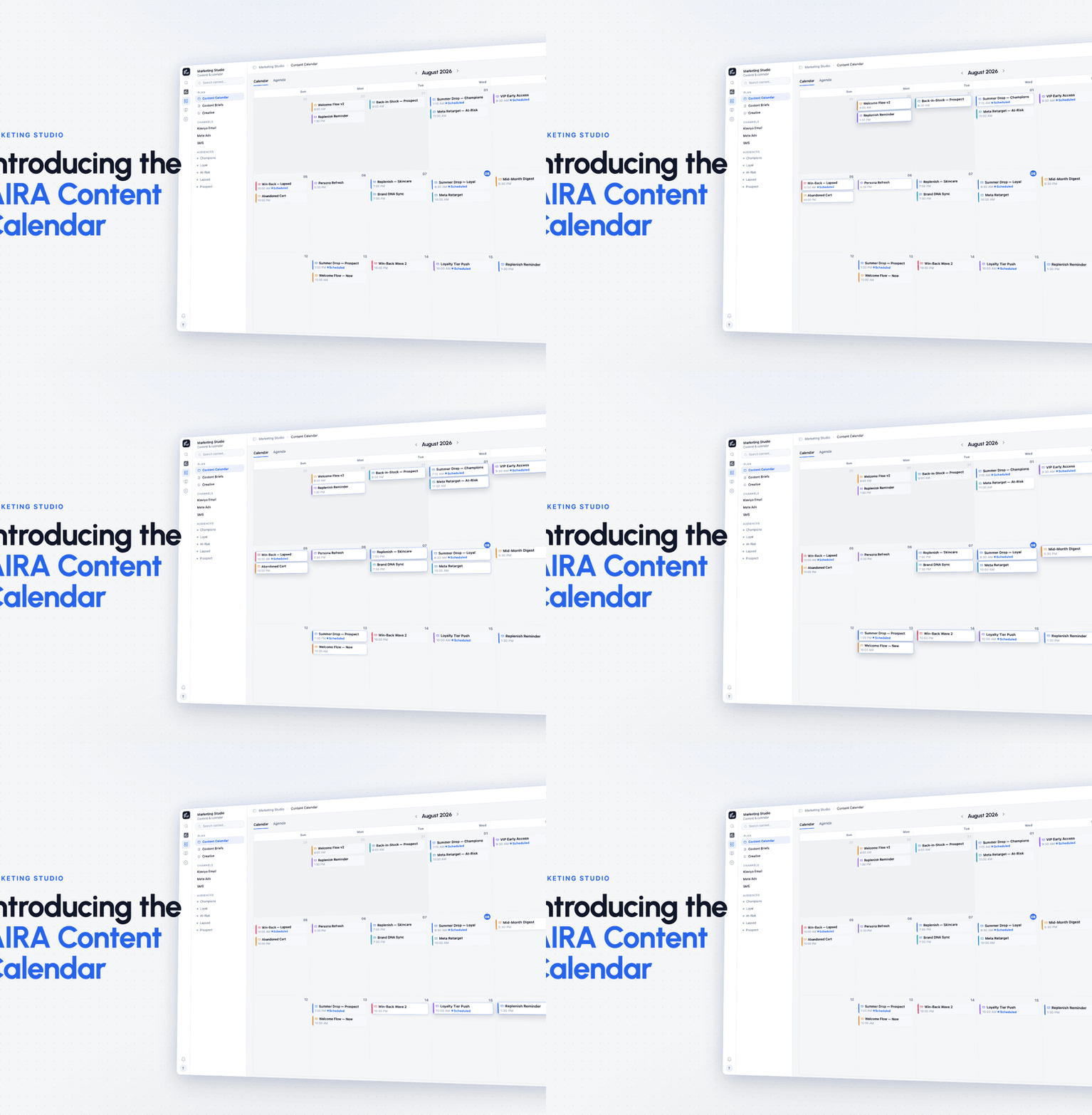
TLDR: AIRA now runs your whole content journey — find the audience, generate posts and emails for every channel, and route it all through an approval Queue, Board, and Calendar. Nothing publishes without your sign-off.
4 min read
Product UpdatesFrom answers to action: AIRA now runs a full analyst team for you
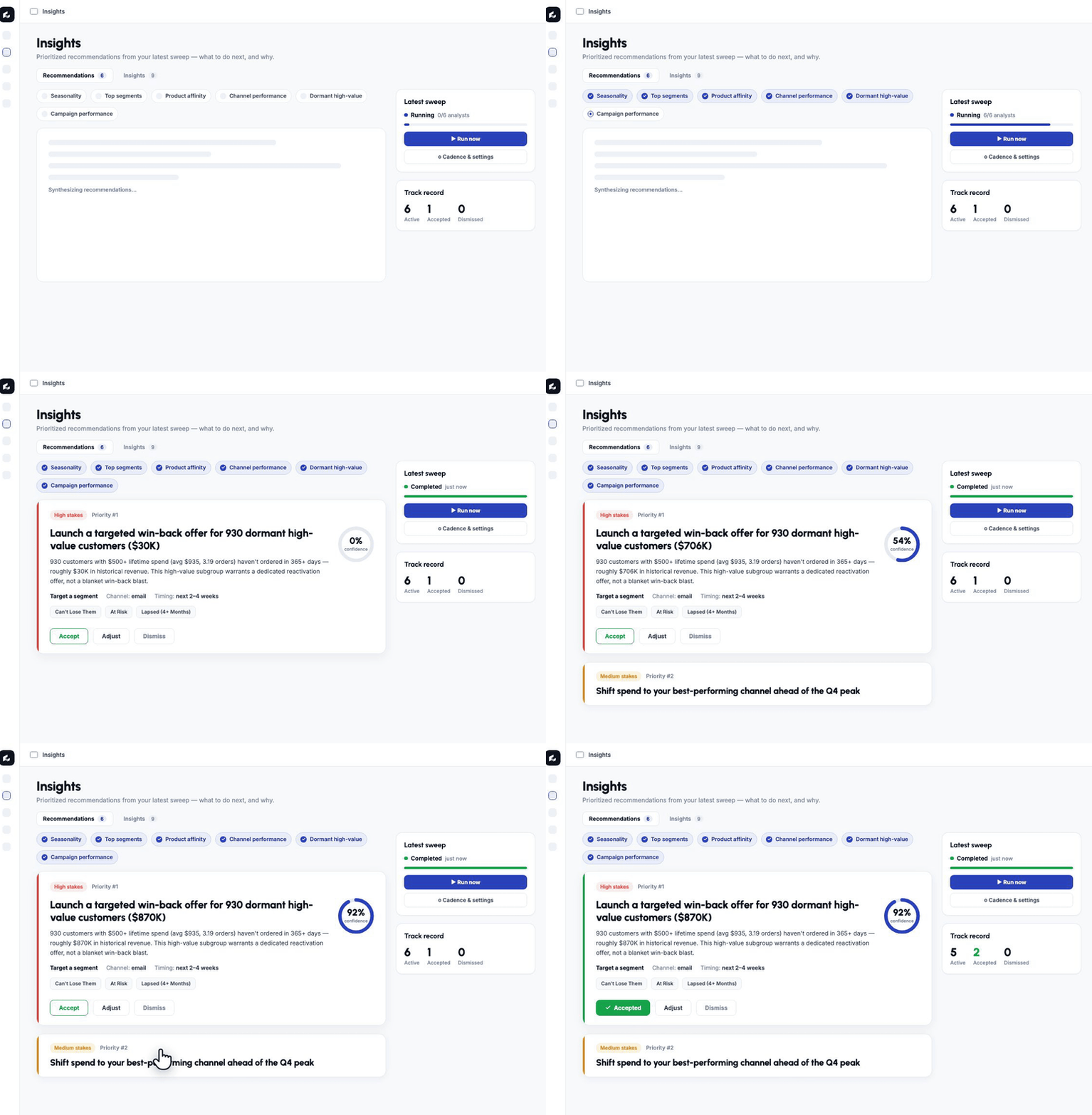
Historically, the promise of "AI for marketing analytics" has meant one thing: you ask a question, you get an answer. Useful — but it puts all the pressure on you to know what to ask. And the insights that actually…