Data & Analytics
Why 70% of Brands Get GA4 Wrong (and What It’s Costing You)
GA4 isn’t broken—your interpretation is.
- Published
- Author
- AccessFuel Team
- Reading time
- 3 min read
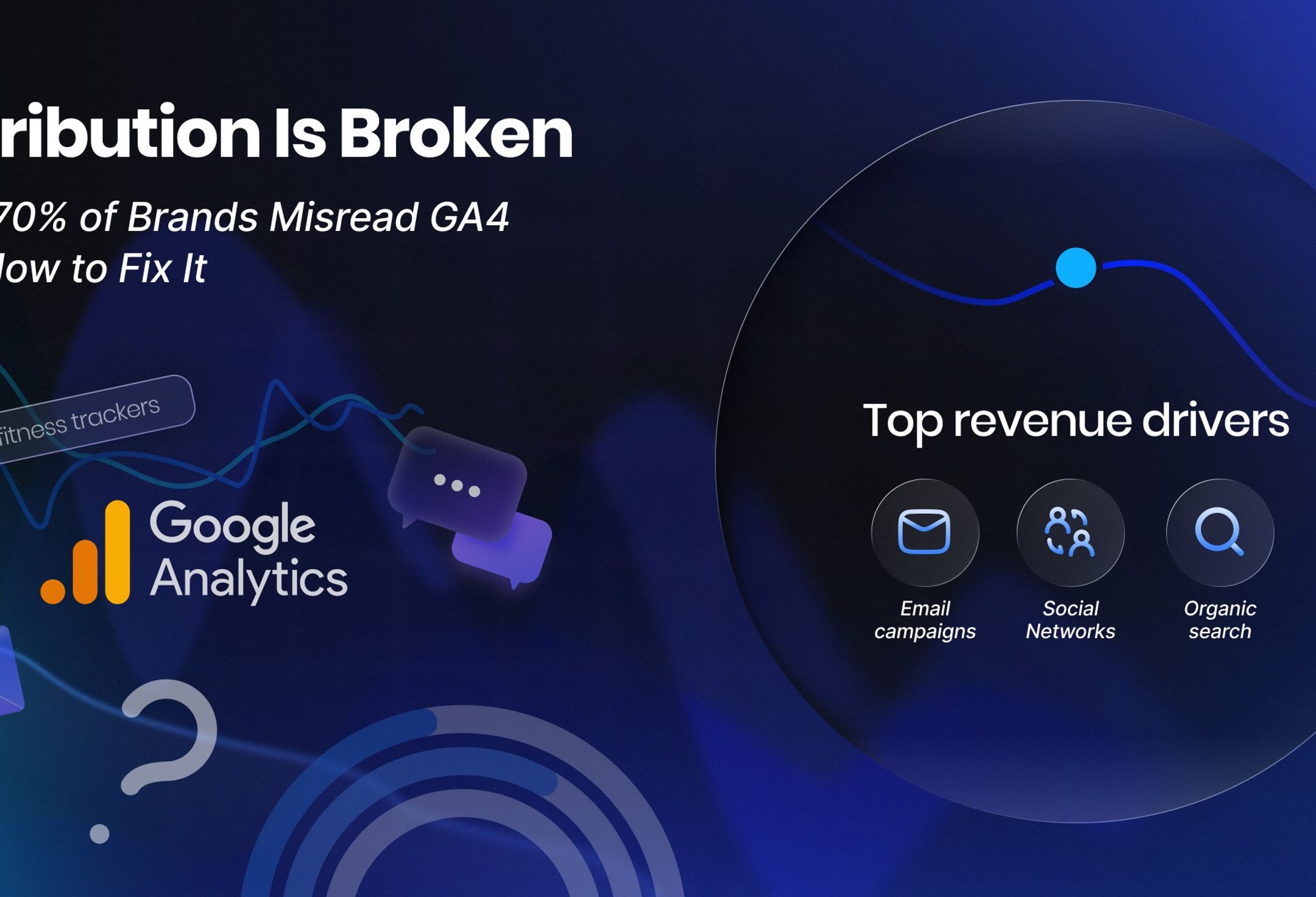
Why do so many brands misread GA4?
Google Analytics 4 (GA4) was supposed to solve the attribution problem: flexible event tracking, cross-device journeys, and better visibility into the customer path. But here’s the reality—70% of brands are still misinterpreting what GA4 tells them.
The issue isn’t GA4 itself. It’s the way it’s configured, interpreted, and taken at face value. Common missteps include:
- Incomplete or incorrect setup.
- Overreliance on default attribution models.
- Ignoring key cross-channel signals (like email or retention).
In other words: GA4 isn’t broken, but the lens most teams use to read it is.
The hidden costs of GA4 misinterpretation
When GA4 is misread, the costs are real—and they add up fast.
- Wasted ad spend: last-click bias over-credits easy wins and undervalues top-of-funnel discovery.
- Broken optimization: brands scale the wrong campaigns or pause the ones that were actually working.
- Fragmented truth: marketing, finance, and operations all work from different “versions” of performance.
For Shopify merchants, these blind spots often look like:
- Meta ads appearing to underperform when assisted conversions are missed.
- Klaviyo email revenue undercounted because attribution windows don’t line up.
- GA4 numbers failing to reconcile with ad platform dashboards.
Confusion isn’t harmless—it’s expensive.
Is GA4 broken—or just incomplete?
GA4 isn’t broken. But it is incomplete.
Think of GA4 like a rearview mirror—it shows you part of the journey, but not the whole road. Without context, you’ll misinterpret what’s really happening.
What’s missing?
- A way to reconcile conflicting signals.
- A view that layers GA4 with higher-fidelity data sources.
- A connection between channel events and real customer records.
Without those pieces, GA4 becomes a single-angle snapshot of a multi-angle story.
How does AccessFuel bring clarity to GA4 attribution?
At AccessFuel, we help brands stop misreading GA4—and start seeing the full picture.
- Golden Record → We unify customer profiles across Shopify, Meta, Klaviyo, and GA4, so every conversion ties back to a single, accurate source of truth.
- Attribution Layering → Rather than trusting a single model, AF enriches GA4 with additional signals to reveal real channel performance.
- Advanced Analytics Pixel Tracker (A3PT) → For brands that want to go further, A3PT captures signals GA4 misses entirely—cross-device paths, dark social touches, and retention loops—making GA4 look prehistoric by comparison.
The goal isn’t to replace GA4. It’s to see GA4 clearly, enhanced by the signals it can’t capture on its own.
Key takeaway
GA4 isn’t broken—your interpretation is.
Most brands misread GA4 and waste money in the process. AccessFuel helps you correct the lens with Golden Record reconciliation, attribution layering, and advanced signal capture.
When you stop chasing distorted data, you start making confident, profitable decisions.
Let’s Talk Attribution
👉 If you could see the signals GA4 misses, how would it change your growth strategy?
Related posts
Keep Exploring
Discover more insights, strategies, and updates from AccessFuel.
3 min read
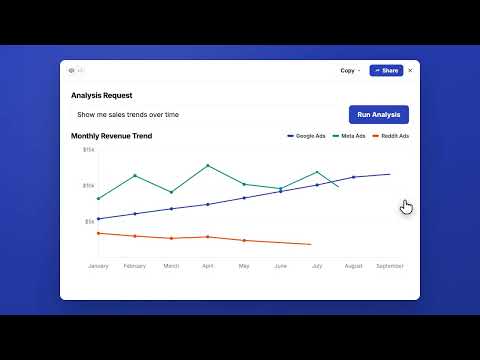
Product UpdatesEverything AIRA creates Is Shareable. Here's What That Looks Like.
Good work has a distribution problem. The analysis lives in your tab. The persona lives in a deck. The report lives in a PDF named "final_v4." By the time it reaches your team, it's a screenshot of a screenshot — flat,…
4 min read
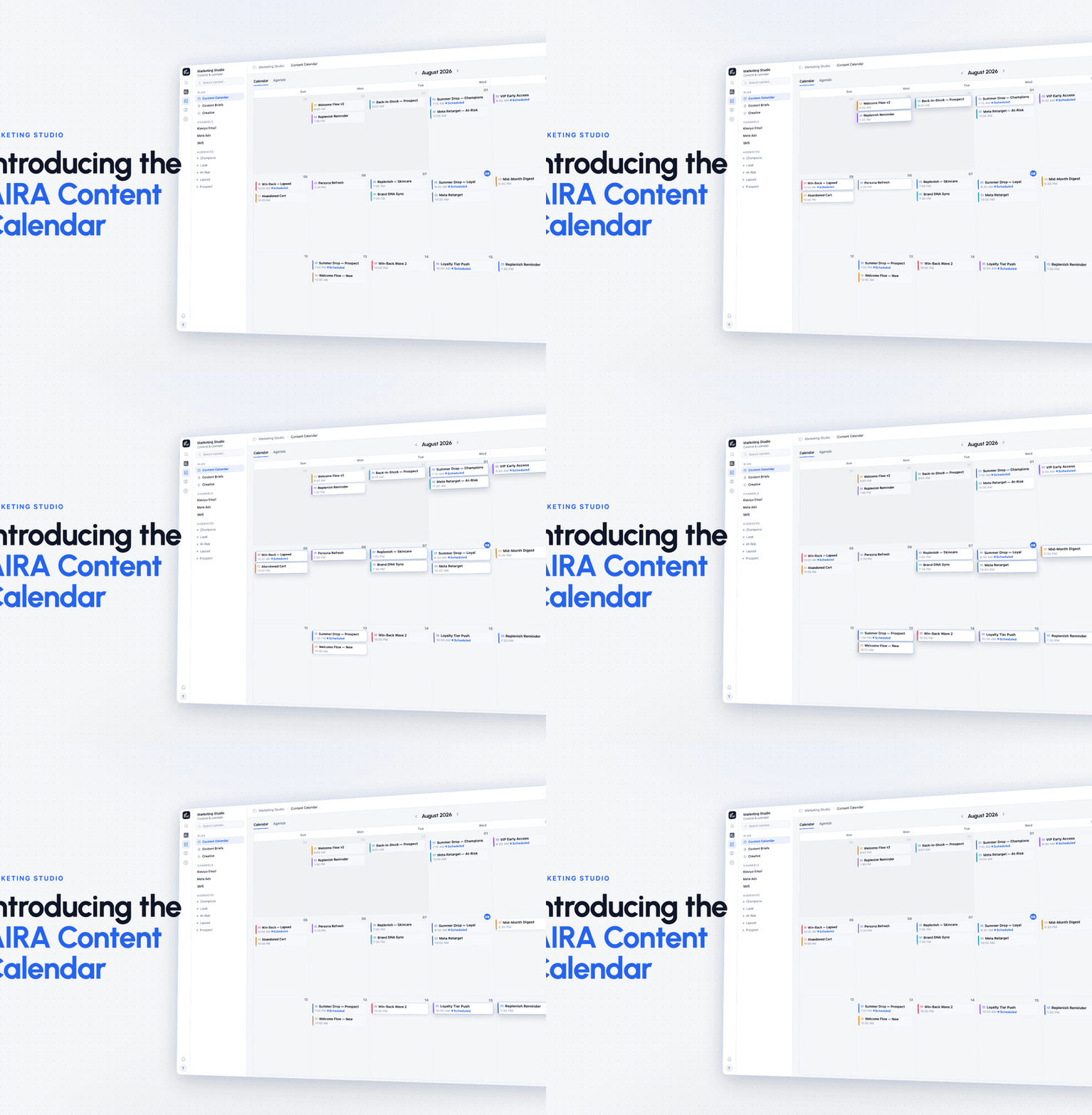
Marketing StrategyYour Content Calendar Now Runs Itself
TLDR: AIRA now runs your whole content journey — find the audience, generate posts and emails for every channel, and route it all through an approval Queue, Board, and Calendar. Nothing publishes without your sign-off.
4 min read
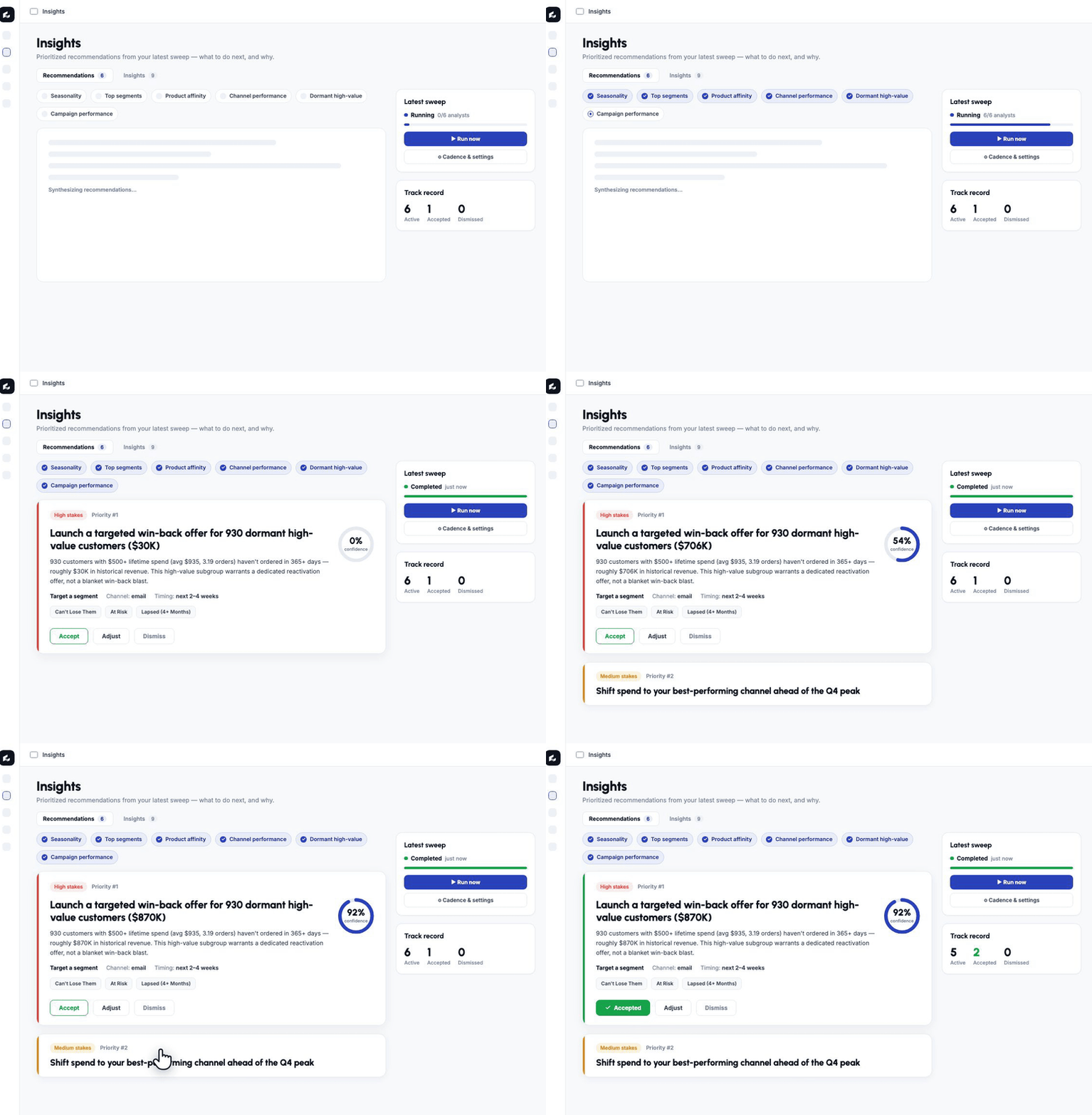
Product UpdatesFrom answers to action: AIRA now runs a full analyst team for you
Historically, the promise of "AI for marketing analytics" has meant one thing: you ask a question, you get an answer. Useful — but it puts all the pressure on you to know what to ask. And the insights that actually…